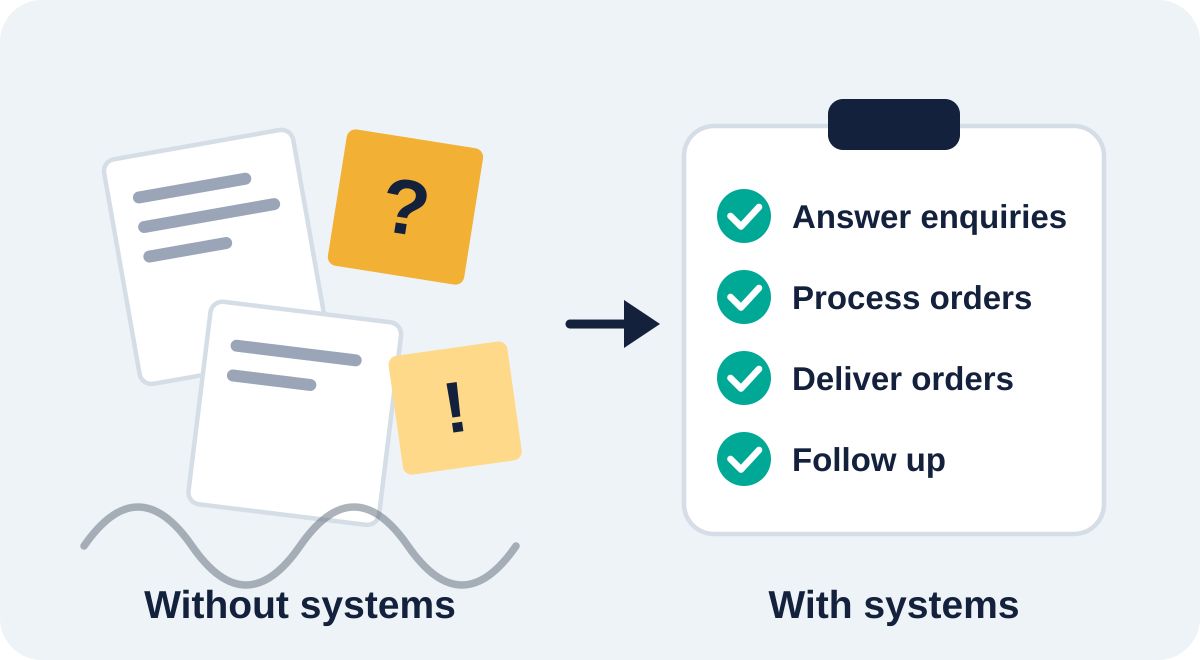
Running a business involves more than attracting customers and generating revenue.
Behind every functioning business are activities that need to happen consistently. Customer enquiries must be handled, orders must be processed, responsibilities must be managed, and services or products must be delivered. When these activities lack structure, the business can become difficult to manage.
This is why business systems and processes matter. They provide a framework for how work gets done, who is responsible for different activities, and how the business maintains consistency in its daily operations. Whether you are building a new venture or managing an established company, having the right systems can make a significant difference to how your business operates.
What Are Business Systems and Processes?
Business systems are the organised methods, tools, and structures a business uses to manage its activities. Business processes are the specific steps followed to complete particular tasks.
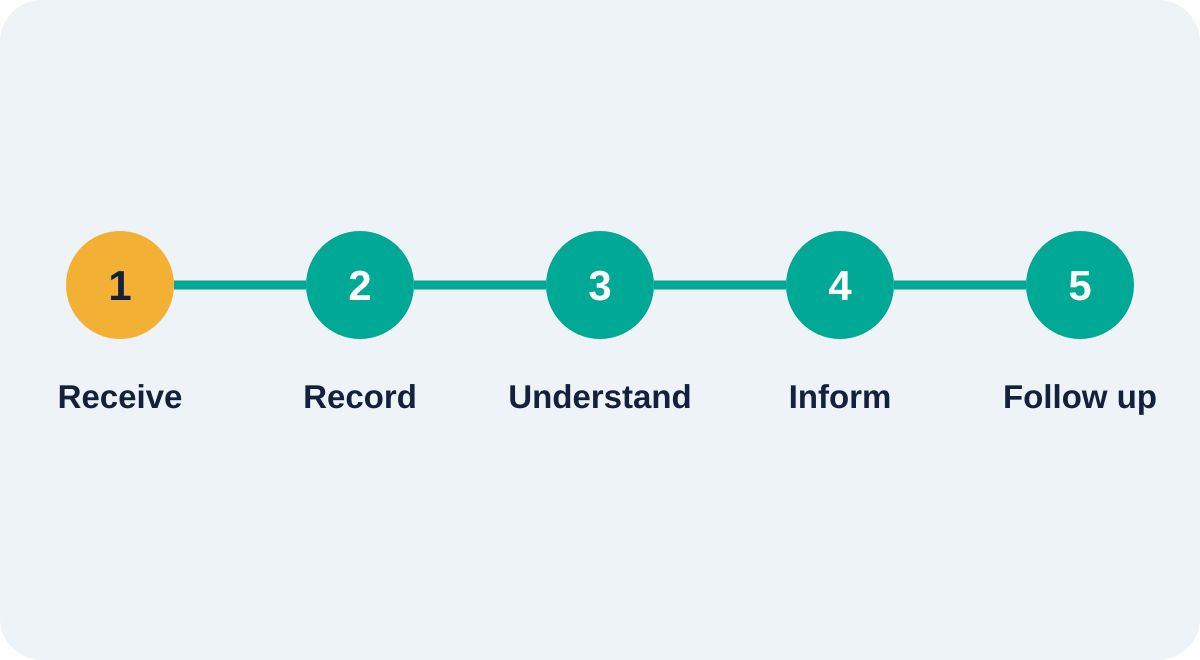
For example, a customer service system may include communication tools, customer records, and guidelines for handling enquiries. The customer enquiry process may involve:
1. Receiving an enquiry.
2. Recording the customer’s information.
3. Understanding the customer’s needs.
4. Providing the relevant information.
5. Following up where necessary.
Together, systems and processes help establish how work should happen within the business.
1. They Reduce Dependence on the Business Owner
In some businesses, nearly every activity depends on the founder. The owner handles customer enquiries, approves decisions, manages orders, follows up with suppliers, and oversees daily operations. Although this may work during the early stages, it can become difficult to maintain as responsibilities increase.
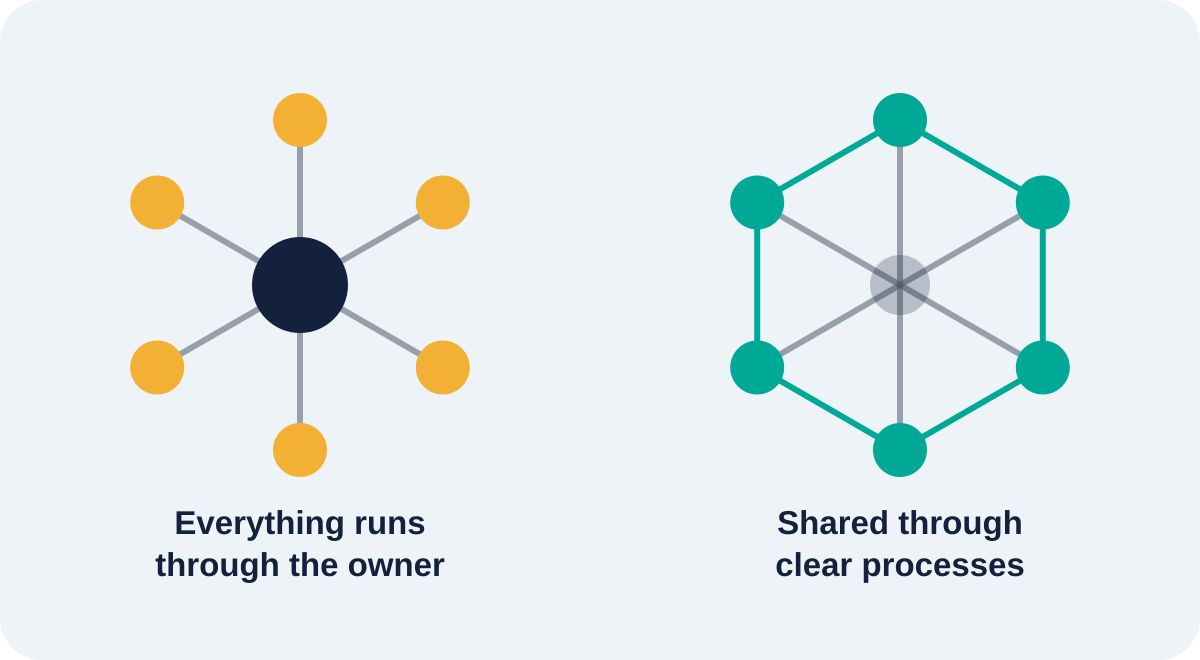
When processes are documented and responsibilities are clearly assigned, other people can understand what needs to be done and how to do it. This reduces unnecessary dependence on one person and gives the business more room to organise its activities.
2. They Improve Consistency
Customers generally expect a business to provide a reasonably consistent experience. However, when tasks are completed differently each time, the quality of service can become unpredictable. Documented processes provide guidance on how important activities should be handled. For example, a business can establish a consistent approach to:
• Responding to customer enquiries.
• Processing orders.
• Handling complaints.
• Delivering services.
• Following up after a purchase.
Consistency does not mean that every situation must be handled identically. It means the business has a reliable starting point for managing its responsibilities.
3. They Help Identify Operational Problems
Without organised processes, it can be difficult to understand why certain activities keep going wrong. Orders may be delayed, customer enquiries may go unanswered, or team members may misunderstand their responsibilities.
A clearly defined process makes it easier to identify where problems occur. For example, if customers regularly experience delays after placing orders, reviewing the order process may reveal that approvals, payment confirmation, or communication are causing unnecessary delays. Understanding where the problem occurs makes it easier to consider appropriate improvements.
4. They Make Delegation Easier
Delegating responsibilities becomes more difficult when important information exists only in the business owner’s memory. Team members need to understand their responsibilities, the expected outcomes, and the procedures involved in completing their tasks. Simple documentation can help. This may include:
• Standard operating procedures.
• Task checklists.
• Role descriptions.
• Communication guidelines.
• Approval processes.
• Project timelines.
When people understand how their responsibilities fit into the wider business, collaboration becomes easier to organise.
5. They Support Better Business Decisions
Organised systems can help businesses maintain useful information about their activities. For example, financial records, customer feedback, sales information, and operational reports can provide insights into how the business is performing. This information can help business owners identify patterns, review priorities, and make more informed decisions.
Information that is hard to find slows decisions down. A widely cited McKinsey Global Institute estimate puts the time employees spend searching for and gathering information at about 1.8 hours a day, while an IDC estimate is higher.
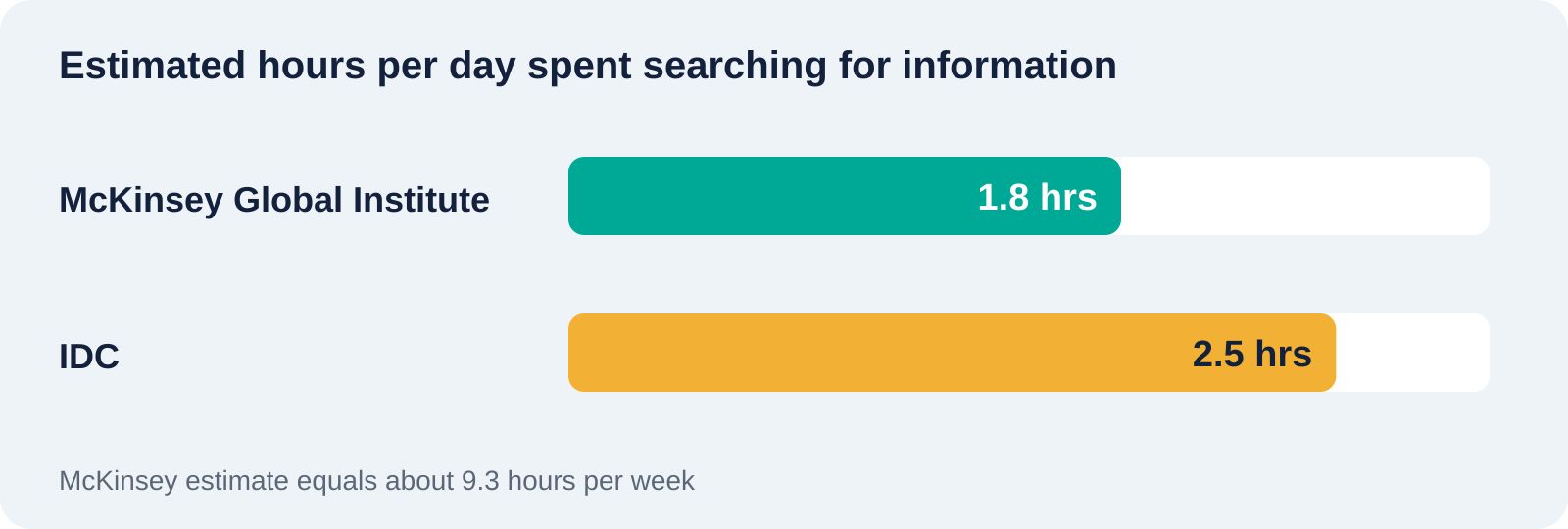
The two estimates differ, and the McKinsey figure equals about 9.3 hours a week. Source: Knowledge management statistics, summarising McKinsey Global Institute and IDC; McKinsey figure also cited by Glean. Chart recreated by Clan Head.
Rather than relying entirely on memory or assumptions, leaders can use available information to understand what is happening within their businesses. The specific tools and records required will depend on the nature and size of the business.
6. They Create a Better Foundation for Growth
Growth often introduces additional responsibilities. A business may need to manage more customers, coordinate more people, handle additional orders, or introduce new services. If existing processes are already difficult to manage, increased activity can create further pressure. Establishing appropriate systems helps businesses prepare for these changes.
This does not mean that every process must be perfect before a business grows. It means paying attention to the structures that support daily work and improving them as the business develops.
How to Start Building Better Business Systems
You do not need to introduce complicated software or create extensive documentation immediately. A practical starting point is to examine how your business currently operates.

Source: Original illustration created for this article by Clan Head.
1. Identify recurring activities. List the tasks that happen regularly, such as customer communication, order processing, payments, and service delivery.
2. Identify areas of difficulty. Look for repeated mistakes, delays, confusion, or activities that depend too heavily on one person.
3. Document important processes. Write down the steps involved in completing essential tasks. Keep the instructions simple and easy to follow.
4. Assign responsibilities. Make it clear who is responsible for each activity and who should be contacted when a problem occurs.
5. Review and improve. Pay attention to how the processes work in practice. Update them when they become outdated or no longer meet the needs of the business.
The aim is not to create systems for the sake of having them. The aim is to make the business easier to manage and its activities more consistent.
Final Thoughts
Business systems and processes are an important part of building and managing a business. They help organise daily activities, clarify responsibilities, improve consistency, and provide a foundation for managing additional demands.
A good business idea may create an opportunity, but the structures behind it help determine how that idea functions in practice.