
Having a business idea can be exciting. You may have identified a problem, imagined a product or service, or noticed an opportunity that you believe could become something valuable.
But having an idea and building a functioning business are two different things. Many ideas never move beyond the planning stage. Others begin with enthusiasm but struggle because the direction is unclear, the right systems are missing, or the business has not properly considered the people it wants to serve.
Turning an idea into a business requires more than inspiration. It requires planning, informed decisions, structure, and consistent execution. This article explores the steps involved in turning a business idea into something that can operate and develop over time.
Start by Identifying the Problem You Want to Solve
Before investing time and resources into a business idea, understand the problem behind it. Ask yourself:
• What problem does this idea address?
• Who experiences this problem?
• How are people currently dealing with it?
• Why would someone choose my proposed solution?
A business idea becomes more meaningful when it responds to a genuine need. For example, deciding to start a clothing business is only the beginning. You also need to understand the customers you want to serve, the clothing needs you intend to meet, and what would make your offering relevant to them.
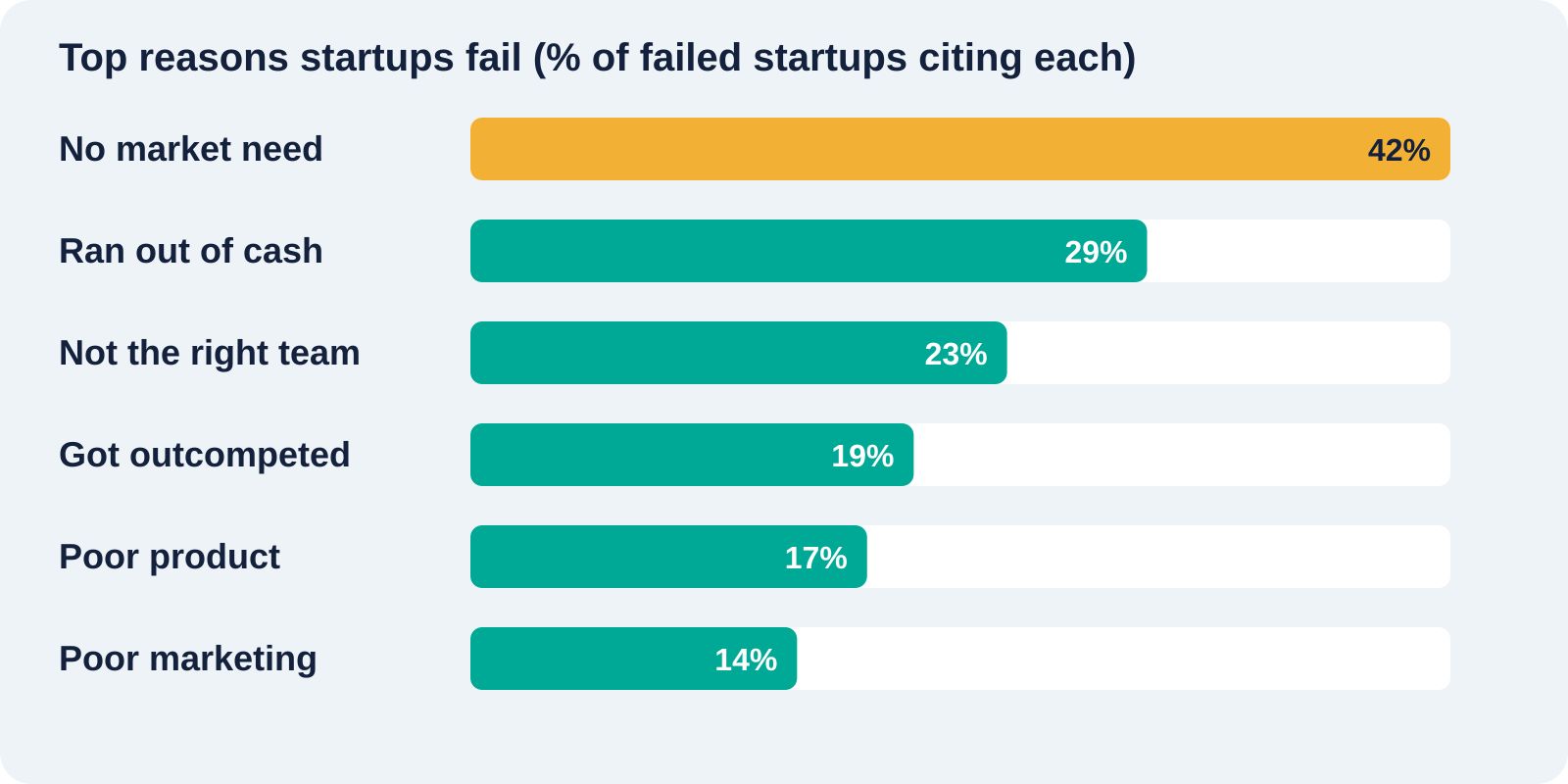
The clearer the problem, the easier it becomes to evaluate the idea and determine its direction.
Understand Your Target Audience

A business cannot effectively serve everyone. Understanding your target audience helps you make better decisions about your products, services, pricing, communication, and marketing. Consider the following:
• Who is most likely to need what you offer?
• What challenges do these people experience?
• What influences their purchasing decisions?
• Where do they look for information?
• What would make them trust your business?
These questions help you move beyond assumptions and develop a clearer understanding of the people your business intends to serve. A well-defined audience also makes it easier to communicate your value.
Develop a Clear Business Strategy
An idea needs direction before it can become a functioning business. Strategy helps establish what you want to achieve, how you intend to achieve it, and what decisions will guide the process. Your strategy should consider:
• Business objectives: What do you want the business to accomplish?
• Market positioning: How do you want customers to understand your business?
• Value proposition: What makes your product or service useful to your intended audience?
• Resources: What people, tools, finances, and expertise will you need?
• Priorities: What needs to happen first, and what can wait?
You do not need an unnecessarily complicated strategy document. What matters is having enough clarity to make informed decisions and avoid working without direction.
Build the Right Business Systems

A business needs processes that support its daily activities. Without basic systems, important tasks may depend entirely on the founder remembering what needs to be done, which becomes difficult as the business grows. Consider establishing processes for:
• Customer enquiries and communication
• Orders and service delivery
• Payments and financial records
• Marketing and content planning
• Inventory and resource management, where applicable
• Task allocation and team responsibilities
These systems do not have to be complicated at the beginning. They should simply make the business easier to manage and help important activities happen consistently. Good operations provide structure for turning plans into action.
Build a Brand That Communicates Value
Your brand is more than its logo, colours, and visual identity. It also includes how people understand your business, what they associate with it, and the experience they have when interacting with it. A clear brand should communicate:
• What your business offers
• Who it serves
• What makes it relevant
• What customers can expect
• Why people should consider choosing it
Your visual identity plays an important role, but it should support a clear business message. When branding and business strategy work together, customers have a better opportunity to understand what your business represents.
Choose the Right Tools and Technology
Technology can support many aspects of running a business, including communication, customer management, accounting, project management, marketing, and automation. However, adopting every available tool is not a good strategy.
Start by identifying the activities that take the most time, create repeated difficulties, or would benefit from better organisation. Then consider which tools can address those needs. Technology should support the way your business works, not create unnecessary complexity.
Start, Evaluate, and Improve
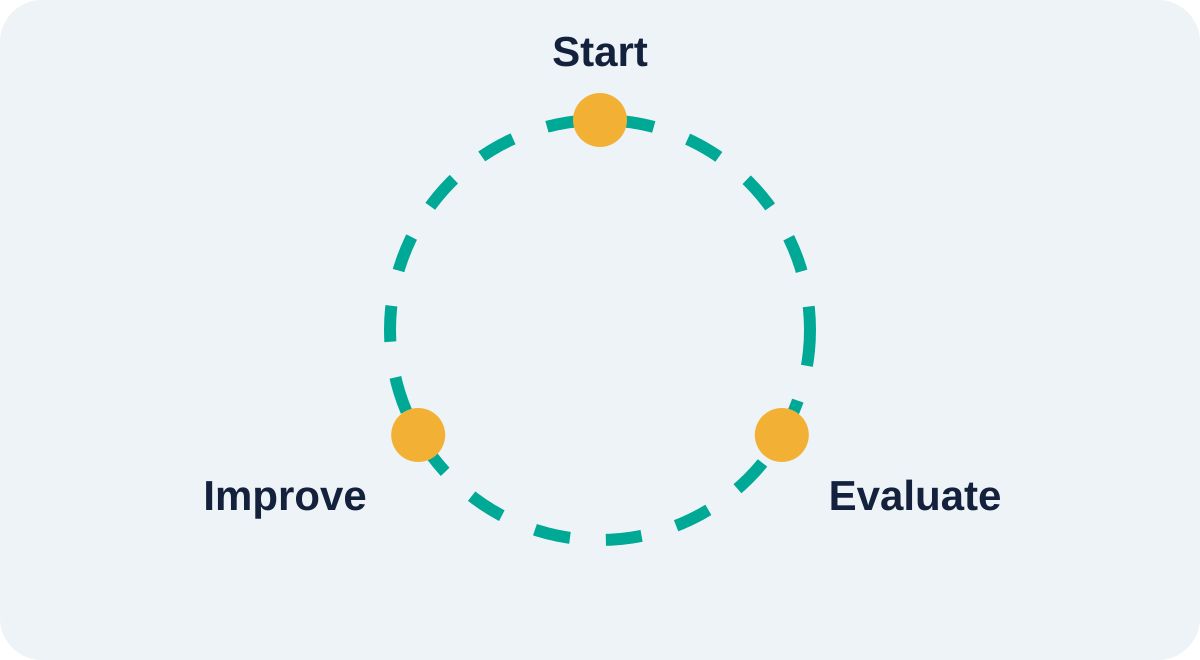
Planning is important, but a business cannot develop through planning alone. At some point, you need to put the idea into practice. Start with manageable steps. Introduce your product or service, pay attention to customer responses, review how your processes work, and identify areas that need improvement.
Some decisions will need to change as you learn more about your customers and the market. Evaluation helps you understand what is working and what requires attention. Building a business is not always a straight line. It involves making decisions, learning from experience, and adjusting your approach.
Final Thoughts
Turning a business idea into a functioning business requires more than a good concept. It requires understanding the problem, identifying the right audience, establishing a clear strategy, building effective systems, communicating value, and putting plans into action. These elements work together to create a stronger foundation for business development.